Window Parts Replacement: A Comprehensive Guide
Windows are a crucial feature of any building, providing natural light, ventilation, and insulation. Nevertheless, with Expert Window Doctor , window parts may wear or get harmed, demanding a replacement. Understanding the numerous parts of a window and the process for replacing them can save property owners money and time while ensuring energy performance and aesthetic appeals are preserved. This post provides a comprehensive overview of window parts replacement, defining the parts, typical concerns, replacement tools, and detailed guidelines for DIY lovers.
Understanding Window Components
Before diving into replacement treatments, it's necessary to identify the primary parts of a window. Here's a breakdown of the necessary components:
| Component | Function |
|---|---|
| Frame | Supports the window structure and holds all elements. |
| Sash | The part of the window that holds the glass panes. |
| Glass Pane | Offers presence while insulating against the components. |
| Weatherstripping | Seals gaps around the window to boost energy effectiveness. |
| Operable Hardware | Consists of locks and cranks that allow windows to open and close. |
| Screen | Prevents bugs from getting in while permitting air circulation. |
| Casing | Ornamental trim that surrounds the window frame. |
Each of these components can experience wear gradually. Here's a deeper dive into typical replacement requirements.
Common Issues that Require Window Parts Replacement
Identifying problems early can prevent extensive damage to your windows. Here are some normal problems that may trigger a replacement:
- Broken Glass: Often the outcome of mishaps or serious weather condition.
- Decomposed Frame: Common in wooden frames that have been exposed to wetness.
- Inadequate Weatherstripping: Leads to drafts and increased energy costs.
- Malfunctioning Locks: Compromises security and can lead to further problems.
- Harmed Sash: Can affect the window's operability and energy performance.
- Used Screens: Can decrease airflow and let insects into the home.
Tools You'll Need for Replacement
When preparing to change numerous window parts, having the right tools on hand can make the procedure smoother. Here's a list of essential tools:
- Screwdriver (flathead and Phillips)
- Utility knife
- Prying tool (such as a putty knife)
- Measuring tape
- Replacement parts (glass, frame, weatherstripping, etc)
- Caulk and caulking weapon
- Security goggles and gloves
Step-by-Step Guide for Replacing Common Window Parts
Changing Glass Panes
- Safety First: Put on gloves and safety goggles to safeguard versus sharp glass.
- Eliminate the Sash: If the window is a double-hung or casement window, start by removing the sash from its frame.
- Secure the Broken Glass: Gently pry away any trim or glazing that holds the glass in location. Thoroughly remove the broken glass.
- Tidy the Frame: Remove any debris or old putty to prepare for the brand-new glass.
- Place New Glass: Cut a replacement glass pane to fit comfortably in the frame, then secure it with glazing substance or hardware.
- Re-install the Sash: Carefully raise the sash back into location and look for appropriate performance.
Replacing Weatherstripping
- Identify the Areas Needing Replacement: Look for spaces around the window frame.
- Remove Old Weatherstripping: Carefully peel away old strips using an energy knife or prying tool.
- Procedure the New Weatherstripping: Cut weatherstripping to fit the window frame.
- Set Up the New Strips: Stick the new weatherstripping onto the frame, pressing strongly to guarantee a great seal.
- Examine for Gaps: Close the window to check for any drafts.
Changing Window Locks
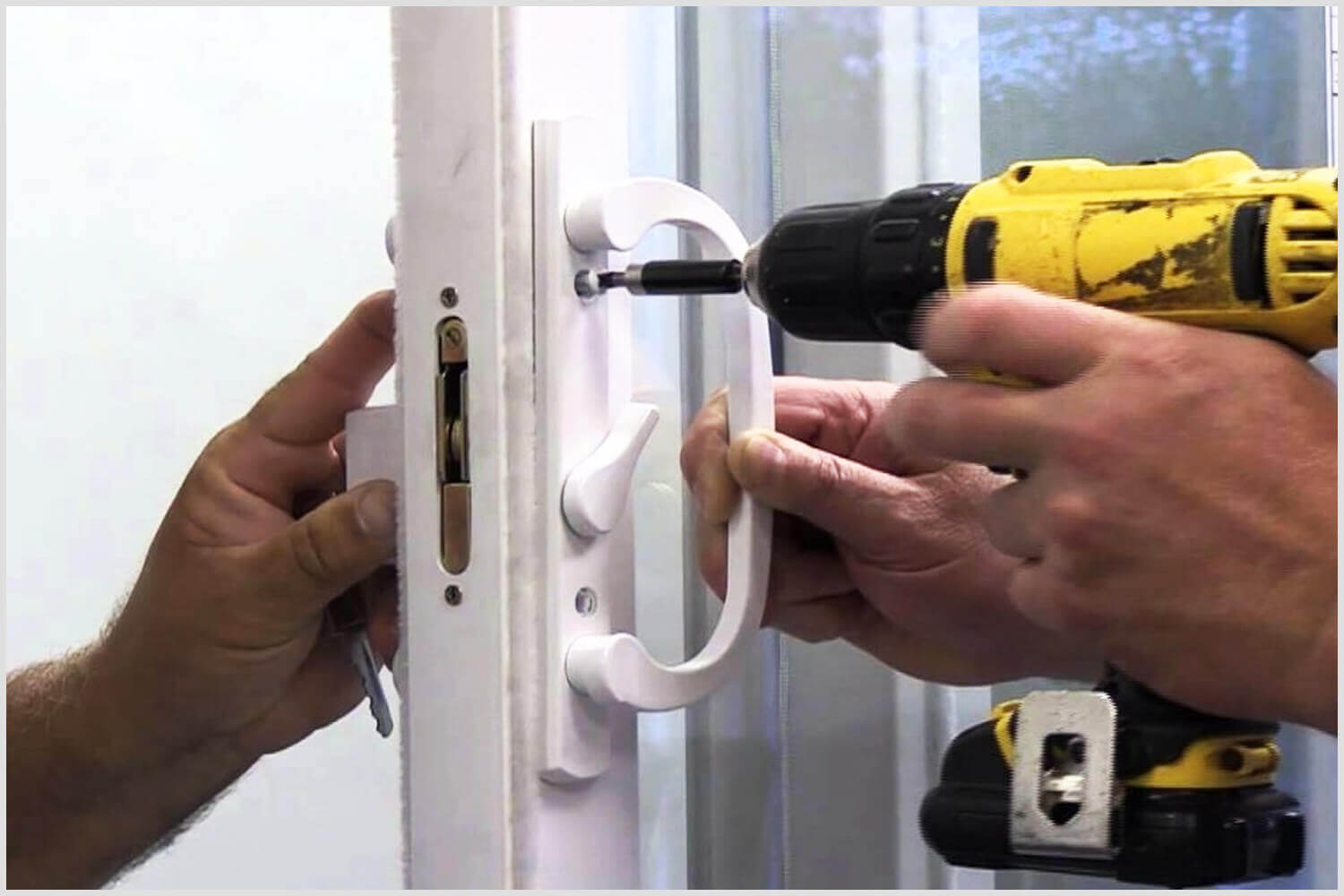
- Get Rid Of the Old Lock: Use a screwdriver to detach the existing lock from the frame.
- Select the Right Replacement: Make sure the new lock matches the size and type of the old one.
- Set Up the New Lock: Position the new lock properly and secure it with screws.
- Test the Lock: Ensure the lock operates smoothly.
Changing Screens
- Eliminate the Old Screen Frame: If the screen can be eliminated from the within, thoroughly separate it.
- Step for New Screen: Measure the screen size to guarantee the new frame fits well.
- Set Up the New Screen: Attach the screen into the frame securely, ensuring there are no spaces.
- Reinstall the Frame: Place the screen back in its initial location.
Frequently Asked Questions About Window Parts Replacement
Q1: How do I know which parts to replace?
- A: Inspect the window completely for any damage, drafts, or functional issues. Typical replacements consist of glass panes, weatherstripping, and locks.
Q2: Can I change window parts myself?
- A: Yes, lots of house owners can replace window parts themselves with the right tools and assistance, but for comprehensive remodellings, hiring a professional might be sensible.
Q3: What should I think about when picking replacement parts?
- A: Consider compatibility with existing windows, quality (search for energy-efficient products), and resilience.
Q4: How can I maintain my windows to prevent replacements?
- A: Regularly tidy and inspect windows, ensuring they are caulked correctly, and replace weatherstripping as needed.
Q5: Are there service warranties on replacement window parts?
- A: Many makers use guarantees on window parts. Always look for specifics at the time of purchase.
Window parts replacement does not need to be an overwhelming job. With a fundamental understanding of the parts, common issues, and the right tools, homeowners can tackle replacements effectively. Routine maintenance, combined with prompt replacements, will assist guarantee that windows remain functional, visual, and energy-efficient for several years to come. By being proactive, house owners can conserve on energy costs and improve the convenience of their home.